.png)
Vision
Meaningful internet connectivity for every person and community worldwide.
→ ABOUT US
At Vernonburg Group, we believe connectivity is the foundation of modern opportunity. Our values - excellence, integrity, customer focus, data-driven solutions, innovation, collaboration, and talent maximization - define how we serve our clients and shape the digital future.
Meaningful internet connectivity for every person and community worldwide.
We help governments, companies, and other organizations bring meaningful internet connectivity to communities around the world by developing strategies and supportive policy frameworks, forging partnerships, mobilizing capital, and providing actionable data-driven insights.
.png)
Driven by innovation, united by purpose.
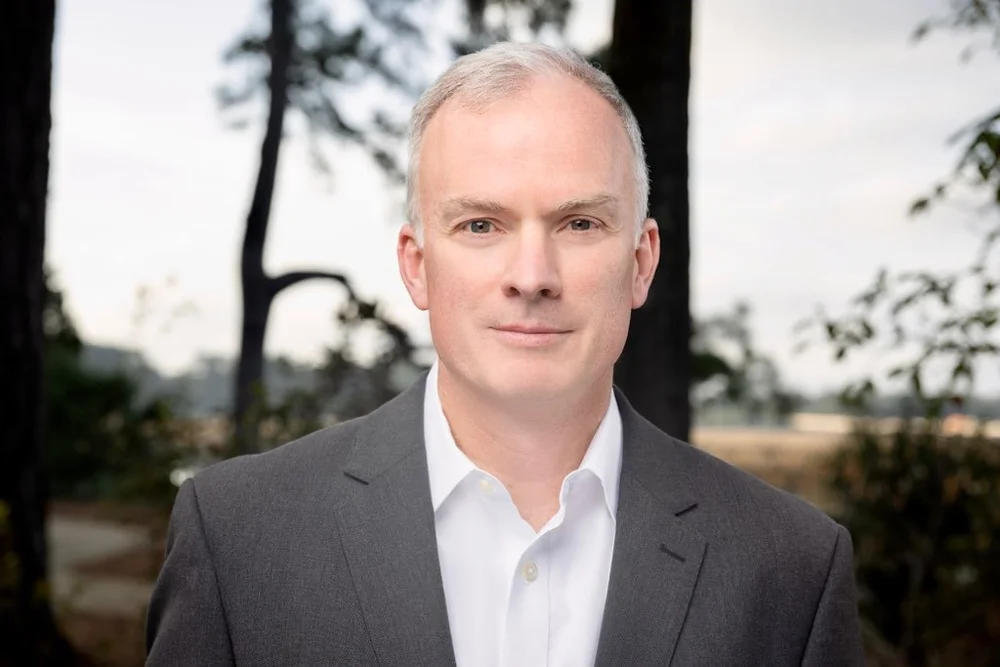
Paul Garnett has over 30 years of experience in the domestic and international telecommunications and technology sectors. Paul is Founder and CEO of Vernonburg Group , a consulting firm that works with large and small corporate, international organization, and government clients to bring affordable high-speed internet connectivity to unserved communities in the U.S. and around the world. Paul also oversees Connect One Billion, an initiative to provide technical assistance and financial support to high-potential early-stage internet service providers (ISPs) in low- and middle-income countries.
Prior to starting Vernonburg Group, Paul spent 12 years at Microsoft where he created and led the Airband Initiative, leveraging a partner-driven approach to extend commercially sustainable internet connectivity to unserved communities in the U.S. and in over 20 emerging markets. Prior to Microsoft, Paul spent 17 years in Washington, DC where he worked for CTIA-The Wireless Association, the U.S. Federal Communications Commission, the law firm Swidler Berlin, and the management consulting firm Price Waterhouse. Paul has a Juris Doctor Cum Laude from the Catholic University of America Columbus School of Law and a Bachelor of Arts in Political Science from Union College. Paul is a member of the District of Columbia and Massachusetts Bars. He is based in Savannah, GA, and Washington, DC.
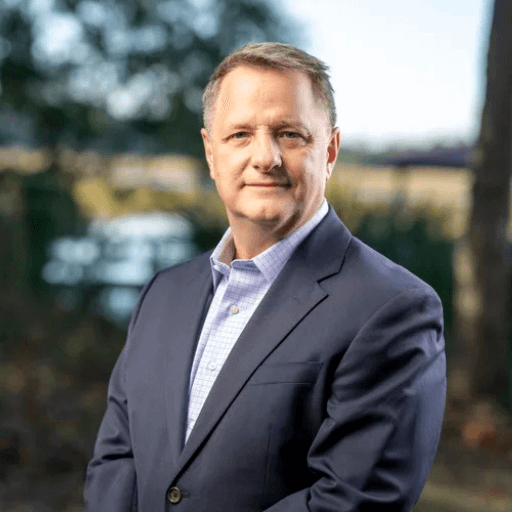
Greg Guice has over 25 years of experience in the telecommunications and technology sector. Greg serves as Vernonburg Group’s Chief Policy Officer, where he leads the domestic portfolio of work focused on helping corporate clients, public interest and civil society organizations, and Tribal, local and state governments as they seek to close the unique digital divides faced in the communities they serve. Greg also helps clients develop and implement advocacy strategies before federal policymakers on telecommunications and technology policy matters, helping them navigate a rapidly evolving policy landscape on Capitol Hill and in the administrative agencies.
Prior to joining Vernonburg Group, Greg spent two years working at public interest organization Public Knowledge, where he was at the forefront of negotiations for the largest infrastructure bill in a generation. He also spent 9 years at Akin Gump Strauss Hauer & Feld and McGuire Woods, helping a range of technology and telecommunications clients pursue their regulatory needs. Greg began is career and spent fourteen years at the Federal Communications Commission developing policies related to rural broadband access, affordability, and adoption as well as spectrum policy, public safety and cybersecurity.
Greg has a Juris Doctorate from George Mason School of Law and a Bachelor of Arts from the University of North Carolina at Chapel Hill. He is based in Washington, DC.
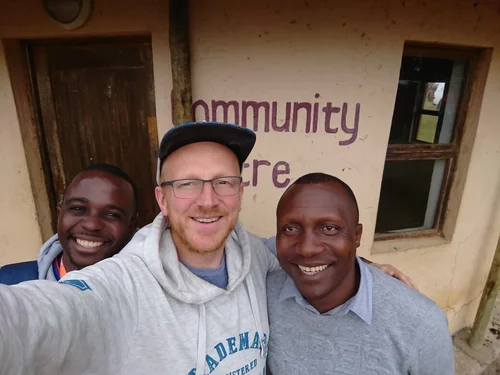
David has been working for the past 15 years carrying out research and deployments on technologies that have the potential to provide access to poorly connected regions or areas which lack affordable internet access. His work is in the general areas pertaining to wireless connectivity, Internet access architectures, and novel RF spectrum access techniques. The philosophy underpinning David’s work is developing decentralized network technology and policies and regulation that enable communities and individuals to own their own network infrastructure and services. David is based in Cape Town, South Africa.
David helped design and build Africa's first rural wireless mesh network in 2006 and led a number of connectivity projects in the area of small cell, mesh technology and edge-hosted services in Zambia and South Africa. He has also led policy work on broadband expansion and spectrum management for the South African government, including contributing to South Africa’s finalized TV white space regulation, and modeling future high demand spectrum for a new National Wireless Open Access Network. He is currently working on expansion of white space technology to small cell networks, exploring blockchain mesh networks to incentivize network expansion and building localized cloud technology to encourage local content creation and sharing and improved video streaming performance. These concepts are being trialed in iNethi, a project running in a low-income township at the southern tip of Cape Town that has built a fully community-owned network.
David serves as an adjunct senior lecturer in the Computer Science Department at UCT in the ICT4D lab and a senior research associate at Research ICT Africa. He was previously a principal researcher in the Networks and Media group of the CSIR Meraka Institute in South Africa and an IT Policy fellow at the Centre for Information and Technology at Princeton University. He has published 70 articles in the general area of wireless connectivity and ICT for development and a book on TV White space technology.
David earned a B.Eng in Electronic Engineering from University of Cape Town. He completed his M.Eng in Computer Engineering at University of Pretoria and a M.Sc and Ph.D in Computer Science from University of California, Santa Barbara on Internet architectures for rural developing regions.
Paul Garnett is an accomplished leader with over two decades of experience in telecommunications and technology law and policy, market development, business development, strategic alliances, and technology and business model incubation.
Paul has a proven track record developing creative, high return-on-investment approaches to large and complex challenges. He worked for seventeen years “inside the beltway” for a top management consulting firm, law firm, communications regulator, and trade association, and eleven years “outside the beltway” for one of the biggest technology companies in the world. Paul also conceived of, launched, and led Microsoft’s Airband Initiative, leveraging a partner-driven approach to extending broadband access to unserved communities in the U.S. and globally. Paul was also the founder and Chairman of the Dynamic Spectrum Alliance. Paul has extensive global business and government relations experience on five continents and has contributed to over twenty U.S. patents.
Prior to founding the Vernonburg Group, Paul was the Senior Director of Microsoft’s Airband Initiative. The Airband Initiative’s portfolio encompassed over 100 projects in 20 countries across 5 continents, where Paul and his team worked with internet service providers, energy access providers, and other partners to deploy new last-mile access technologies, cloud-based services, and business models that extended broadband internet access for tens of millions of people. Paul and his team also focused on key enabling verticals such as agriculture, education, healthcare, and small business.
Throughout his career, Paul has consistently been drawn to the challenge of universal access. As Assistant Vice President, Regulatory Affairs, at CTIA-The Wireless Association®, he represented the U.S. wireless industry before the Federal Communications Commission (FCC) and the U.S. Congress. Paul also worked at the FCC in its Wireline Competition Bureau leading complex rule makings on universal service and intercarrier compensation regulations. Paul was an Associate in Swidler Berlin’s telecommunications practice and a Consultant at Price Waterhouse advising on the privatization of state-owned telecommunications and utility monopolies.
Paul Garnett earned his bachelor's degree in political science at Union College and his law degree at the Catholic University of America, Columbus School of Law. Paul is a member of the Bar of the District of Columbia.
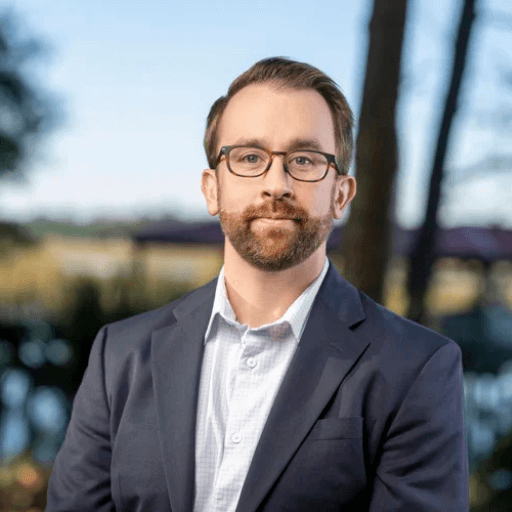
David has been working for the past 15 years carrying out research and deployments on technologies that have the potential to provide access to poorly connected regions or areas which lack affordable internet access. His work is in the general areas pertaining to wireless connectivity, Internet access architectures, and novel RF spectrum access techniques. The philosophy underpinning David’s work is developing decentralized network technology and policies and regulation that enable communities and individuals to own their own network infrastructure and services. David is based in Cape Town, South Africa.
David helped design and build Africa's first rural wireless mesh network in 2006 and led a number of connectivity projects in the area of small cell, mesh technology and edge-hosted services in Zambia and South Africa. He has also led policy work on broadband expansion and spectrum management for the South African government, including contributing to South Africa’s finalized TV white space regulation, and modeling future high demand spectrum for a new National Wireless Open Access Network. He is currently working on expansion of white space technology to small cell networks, exploring blockchain mesh networks to incentivize network expansion and building localized cloud technology to encourage local content creation and sharing and improved video streaming performance. These concepts are being trialed in iNethi, a project running in a low-income township at the southern tip of Cape Town that has built a fully community-owned network.
David serves as an adjunct senior lecturer in the Computer Science Department at UCT in the ICT4D lab and a senior research associate at Research ICT Africa. He was previously a principal researcher in the Networks and Media group of the CSIR Meraka Institute in South Africa and an IT Policy fellow at the Centre for Information and Technology at Princeton University. He has published 70 articles in the general area of wireless connectivity and ICT for development and a book on TV White space technology.
David earned a B.Eng in Electronic Engineering from University of Cape Town. He completed his M.Eng in Computer Engineering at University of Pretoria and a M.Sc and Ph.D in Computer Science from University of California, Santa Barbara on Internet architectures for rural developing regions.
Jess Monago received his first taste in international development by spending a month on the ground in Dharavi, India conducting field research for Facebook on global connectivity. This project worked to co-create a business model by combining a top-down approach crafted state-side, with a bottoms-up approach performed in-field to quantify the social and financial impact of an affordable, high speed internet technology on the population it intended to serve. On this project he was able to see firsthand the impact that universal access can have as a democratizing platform for populations that need it the most. His diverse background ranging from finance, sales, coaching, operations and project management allows him to oversee projects from many different angles while creating mutual value for all stakeholders involved.
.png)
Breese is the Director of Global Programs and Digital Opportunity, leading Vernonburg Group’s services focused on broadband and digital opportunity program design and execution in the United States and internationally. She leads our client services related to environmental, social, and governance (ESG) strategies, policy analysis, grant management, and program management. Breese brings 15+ years of experience in designing and implementing global strategies and programs at the nexus of technology and social impact to tackle intractable problems of poverty and inequity. Prior to joining Vernonburg Group, Breese worked for Microsoft’s strategic initiative on digital opportunity (Airband Initiative), managing a portfolio of grants to organizations focused on advancing access to affordable internet and computers across the US. She also previously led partnerships and strategic planning at the Digital Impact Alliance at the United Nations Foundation, managed global digital health programs at PATH, and served as a trustee and treasurer of the Longview Foundation for US education in world affairs and international understanding. She has worked on initiatives across the US, Sub-Saharan Africa, Latin America, India, and the Middle East, and is proficient in Spanish. Breese holds an MPA from the University of Washington Evans School of Public Policy & Governance, and a BA in International Relations from Tufts University.
Caroline has over a decade of experience collaborating with mission-driven organizations to help them achieve their goals. Her expertise lies at the intersection of business strategy with social and environmental impact, and her work across a diverse range of sectors and functional areas gives her an interdisciplinary perspective on problem solving. Previously she has worked with both public and private sector organizations on projects in impact investing, sustainable development, public health, regenerative agriculture, and climate tech.
Paul Garnett is an accomplished leader with over two decades of experience in telecommunications and technology law and policy, market development, business development, strategic alliances, and technology and business model incubation.
Paul has a proven track record developing creative, high return-on-investment approaches to large and complex challenges. He worked for seventeen years “inside the beltway” for a top management consulting firm, law firm, communications regulator, and trade association, and eleven years “outside the beltway” for one of the biggest technology companies in the world. Paul also conceived of, launched, and led Microsoft’s Airband Initiative, leveraging a partner-driven approach to extending broadband access to unserved communities in the U.S. and globally. Paul was also the founder and Chairman of the Dynamic Spectrum Alliance. Paul has extensive global business and government relations experience on five continents and has contributed to over twenty U.S. patents.
Prior to founding the Vernonburg Group, Paul was the Senior Director of Microsoft’s Airband Initiative. The Airband Initiative’s portfolio encompassed over 100 projects in 20 countries across 5 continents, where Paul and his team worked with internet service providers, energy access providers, and other partners to deploy new last-mile access technologies, cloud-based services, and business models that extended broadband internet access for tens of millions of people. Paul and his team also focused on key enabling verticals such as agriculture, education, healthcare, and small business.
Throughout his career, Paul has consistently been drawn to the challenge of universal access. As Assistant Vice President, Regulatory Affairs, at CTIA-The Wireless Association®, he represented the U.S. wireless industry before the Federal Communications Commission (FCC) and the U.S. Congress. Paul also worked at the FCC in its Wireline Competition Bureau leading complex rule makings on universal service and intercarrier compensation regulations. Paul was an Associate in Swidler Berlin’s telecommunications practice and a Consultant at Price Waterhouse advising on the privatization of state-owned telecommunications and utility monopolies.
Paul Garnett earned his bachelor's degree in political science at Union College and his law degree at the Catholic University of America, Columbus School of Law. Paul is a member of the Bar of the District of Columbia.
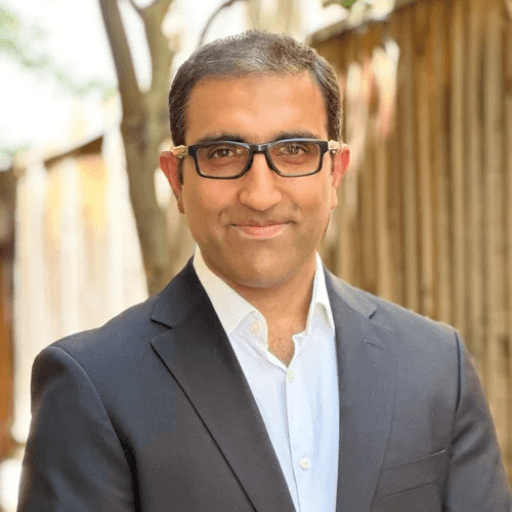
He has two decades of experience across all flavors of broadband technologies and ecosystems, including 4G, 5G and Wi-Fi, as well as experience in designing, and operating fixed and mobile networks all over the world. He has worked on over fifty different network deployments around the world across all phases and scale.
Umair has Co-founded or led multiple startups in the wireless and mobile industry, including companies like WiFrost, a 5G for rural broadband company pioneering the first commercial 4G/5G based TV whitespace fixed wireless access solution. He is also a Co-Founder of Superhero Mobile, a travel eSIM brand with a mission to empower travellers with reliable and affordable connectivity globally.
Umair has held various product, technical sales, and engineering roles at Adaptrum, LCC International, McAfee, Turnotech and Sprint. Umair received his bachelor’s in engineering from Oral Roberts University in Tulsa, Oklahoma where he won NCAA Division 1 conference title in tennis, and an MBA is marketing and finance from the Kelley School of Business at Indiana University, Bloomington, Indiana.
Umair is based in San Francisco, California.
Greg has helped clients plan for and obtain access to federal resources to ensure they can serve their communities. He worked for 14 years in key roles for the primary regulator for telecommunications and spectrum access, the Federal Communications Commission. He has also spent almost a decade in private practice helping clients, including rural and tribal telecommunications companies, technology companies and online/app companies as they pursued changes to federal law and policies to help them unlock business opportunities. His work for tribal communities included helping gain participation in pilot programs to promote enrollment by lower-income tribal members through a tailored digital literacy and affordability program, build out broadband to the most remote portions of their reservations, and secure access to wireless spectrum to serve their community.
His most recent work for a leading non-profit organization included advocating and securing once-in-a-generation funding for the build out of broadband infrastructure as well as working with a broad range of companies and civil society groups to secure funding for affordability and digital equity efforts under the Infrastructure Investments and Jobs Act.
The dominant pursuit of Greg’s career has been closing the digital divide. He firmly believes that in a digital society, no one can be left without access to affordable broadband and the skills needed to secure the economic and educational benefits that access provides. Through his work for the Federal Communications Commission (FCC), clients at Akin Gump and McGuire Woods, and his work advocating for the public interest at Public Knowledge, Greg has worked strategically through the regulatory and legislative process to achieve real, tangible results in that pursuit.
Greg Guice earned his bachelor's degree in political science at The University of North Carolina at Chapel Hill and his law degree at the George Mason School of Law. Greg is a member of the Bar of Virginia and the District of Columbia.
He has two decades of experience across all flavors of broadband technologies and ecosystems, including 4G, 5G and Wi-Fi, as well as experience in designing, and operating fixed and mobile networks all over the world. He has worked on over fifty different network deployments around the world across all phases and scale.
Umair has Co-founded or led multiple startups in the wireless and mobile industry, including companies like WiFrost, a 5G for rural broadband company pioneering the first commercial 4G/5G based TV whitespace fixed wireless access solution. He is also a Co-Founder of Superhero Mobile, a travel eSIM brand with a mission to empower travellers with reliable and affordable connectivity globally.
Umair has held various product, technical sales, and engineering roles at Adaptrum, LCC International, McAfee, Turnotech and Sprint. Umair received his bachelor’s in engineering from Oral Roberts University in Tulsa, Oklahoma where he won NCAA Division 1 conference title in tennis, and an MBA is marketing and finance from the Kelley School of Business at Indiana University, Bloomington, Indiana.
Umair is based in San Francisco, California.
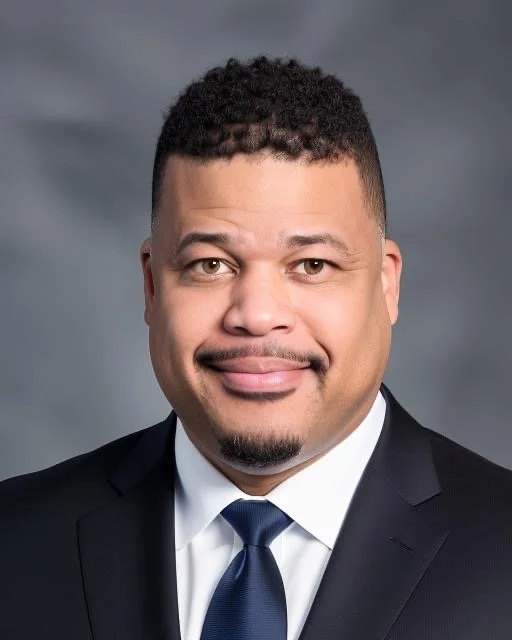
Breese is the Director of Global Programs and Digital Opportunity, leading Vernonburg Group’s services focused on broadband and digital opportunity program design and execution in the United States and internationally. She leads our client services related to environmental, social, and governance (ESG) strategies, policy analysis, grant management, and program management. Breese brings 15+ years of experience in designing and implementing global strategies and programs at the nexus of technology and social impact to tackle intractable problems of poverty and inequity. Prior to joining Vernonburg Group, Breese worked for Microsoft’s strategic initiative on digital opportunity (Airband Initiative), managing a portfolio of grants to organizations focused on advancing access to affordable internet and computers across the US. She also previously led partnerships and strategic planning at the Digital Impact Alliance at the United Nations Foundation, managed global digital health programs at PATH, and served as a trustee and treasurer of the Longview Foundation for US education in world affairs and international understanding. She has worked on initiatives across the US, Sub-Saharan Africa, Latin America, India, and the Middle East, and is proficient in Spanish. Breese holds an MPA from the University of Washington Evans School of Public Policy & Governance, and a BA in International Relations from Tufts University.
Caroline has over a decade of experience collaborating with mission-driven organizations to help them achieve their goals. Her expertise lies at the intersection of business strategy with social and environmental impact, and her work across a diverse range of sectors and functional areas gives her an interdisciplinary perspective on problem solving. Previously she has worked with both public and private sector organizations on projects in impact investing, sustainable development, public health, regenerative agriculture, and climate tech.
Nicholus Steward is a Senior Project Manager at Vernonburg Group. He formerly served as Business Development Manager at Open Broadband LLC, where he was instrumental in developing critical partnerships, generating new sales leads, and spearheading the Indigenous Communities Broadband Initiative. His previous role as Area Manager for the same company highlighted his commitment to bridging the digital divide. A hallmark of his career is his co-founding and involvement in the Eswatini Bridge Project. This project, focused on developing a comprehensive telecommunications network in Eswatini, highlights Nicholus's exceptional skills in network design, project management, and international logistics.
Nicholus’s time serving in the United States Army further solidified his leadership and organizational skills. The discipline and strategic thinking developed during his military service provided a strong foundation for his subsequent roles in the corporate and entrepreneurial world.
Nicholus holds a Bachelor of Science in Network and System Administration from the University of Maryland University College, an Associate of Science in Computer Science from the College of Southern Maryland, and a Bachelor of Science in Business Administration from Liberty University.
Paul Garnett is an accomplished leader with over two decades of experience in telecommunications and technology law and policy, market development, business development, strategic alliances, and technology and business model incubation.
Paul has a proven track record developing creative, high return-on-investment approaches to large and complex challenges. He worked for seventeen years “inside the beltway” for a top management consulting firm, law firm, communications regulator, and trade association, and eleven years “outside the beltway” for one of the biggest technology companies in the world. Paul also conceived of, launched, and led Microsoft’s Airband Initiative, leveraging a partner-driven approach to extending broadband access to unserved communities in the U.S. and globally. Paul was also the founder and Chairman of the Dynamic Spectrum Alliance. Paul has extensive global business and government relations experience on five continents and has contributed to over twenty U.S. patents.
Prior to founding the Vernonburg Group, Paul was the Senior Director of Microsoft’s Airband Initiative. The Airband Initiative’s portfolio encompassed over 100 projects in 20 countries across 5 continents, where Paul and his team worked with internet service providers, energy access providers, and other partners to deploy new last-mile access technologies, cloud-based services, and business models that extended broadband internet access for tens of millions of people. Paul and his team also focused on key enabling verticals such as agriculture, education, healthcare, and small business.
Throughout his career, Paul has consistently been drawn to the challenge of universal access. As Assistant Vice President, Regulatory Affairs, at CTIA-The Wireless Association®, he represented the U.S. wireless industry before the Federal Communications Commission (FCC) and the U.S. Congress. Paul also worked at the FCC in its Wireline Competition Bureau leading complex rule makings on universal service and intercarrier compensation regulations. Paul was an Associate in Swidler Berlin’s telecommunications practice and a Consultant at Price Waterhouse advising on the privatization of state-owned telecommunications and utility monopolies.
Paul Garnett earned his bachelor's degree in political science at Union College and his law degree at the Catholic University of America, Columbus School of Law. Paul is a member of the Bar of the District of Columbia.
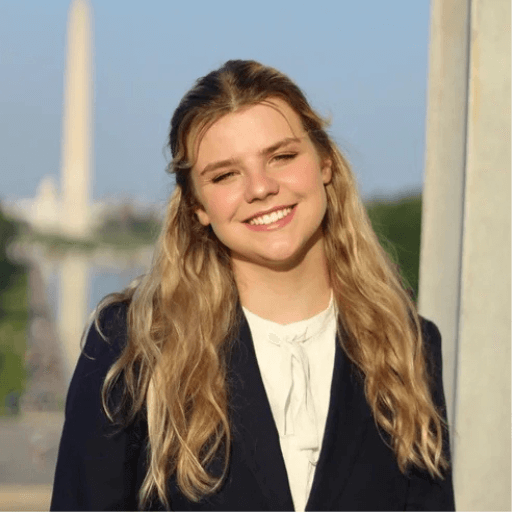
David has been working for the past 15 years carrying out research and deployments on technologies that have the potential to provide access to poorly connected regions or areas which lack affordable internet access. His work is in the general areas pertaining to wireless connectivity, Internet access architectures, and novel RF spectrum access techniques. The philosophy underpinning David’s work is developing decentralized network technology and policies and regulation that enable communities and individuals to own their own network infrastructure and services. David is based in Cape Town, South Africa.
David helped design and build Africa's first rural wireless mesh network in 2006 and led a number of connectivity projects in the area of small cell, mesh technology and edge-hosted services in Zambia and South Africa. He has also led policy work on broadband expansion and spectrum management for the South African government, including contributing to South Africa’s finalized TV white space regulation, and modeling future high demand spectrum for a new National Wireless Open Access Network. He is currently working on expansion of white space technology to small cell networks, exploring blockchain mesh networks to incentivize network expansion and building localized cloud technology to encourage local content creation and sharing and improved video streaming performance. These concepts are being trialed in iNethi, a project running in a low-income township at the southern tip of Cape Town that has built a fully community-owned network.
David serves as an adjunct senior lecturer in the Computer Science Department at UCT in the ICT4D lab and a senior research associate at Research ICT Africa. He was previously a principal researcher in the Networks and Media group of the CSIR Meraka Institute in South Africa and an IT Policy fellow at the Centre for Information and Technology at Princeton University. He has published 70 articles in the general area of wireless connectivity and ICT for development and a book on TV White space technology.
David earned a B.Eng in Electronic Engineering from University of Cape Town. He completed his M.Eng in Computer Engineering at University of Pretoria and a M.Sc and Ph.D in Computer Science from University of California, Santa Barbara on Internet architectures for rural developing regions.
Jess Monago received his first taste in international development by spending a month on the ground in Dharavi, India conducting field research for Facebook on global connectivity. This project worked to co-create a business model by combining a top-down approach crafted state-side, with a bottoms-up approach performed in-field to quantify the social and financial impact of an affordable, high speed internet technology on the population it intended to serve. On this project he was able to see firsthand the impact that universal access can have as a democratizing platform for populations that need it the most. His diverse background ranging from finance, sales, coaching, operations and project management allows him to oversee projects from many different angles while creating mutual value for all stakeholders involved.
Nora Heffernan serves as a Policy Analyst, where she supports content creation, project management and research for domestic and international clients. Nora’s has a passion for international development, particularly for historically marginalized communities. Her previous professional experience includes internships at Vernonburg Group and with Congressman John Jarson (CT-01), and serving as an Event Assistant at the Sigur Center for Asian Studies. Her policy interests include gender equity, human rights, and environmental protection. Nora holds a Bachelor of Arts in International Affairs with a concentration in International Politics from George Washington University’s Elliott School. While at GW, Nora spent an immersive study abroad semester in Madrid, Spain where she was able to practice ross-cultural skills and conversational Spanish. She is based in Washington, DC.
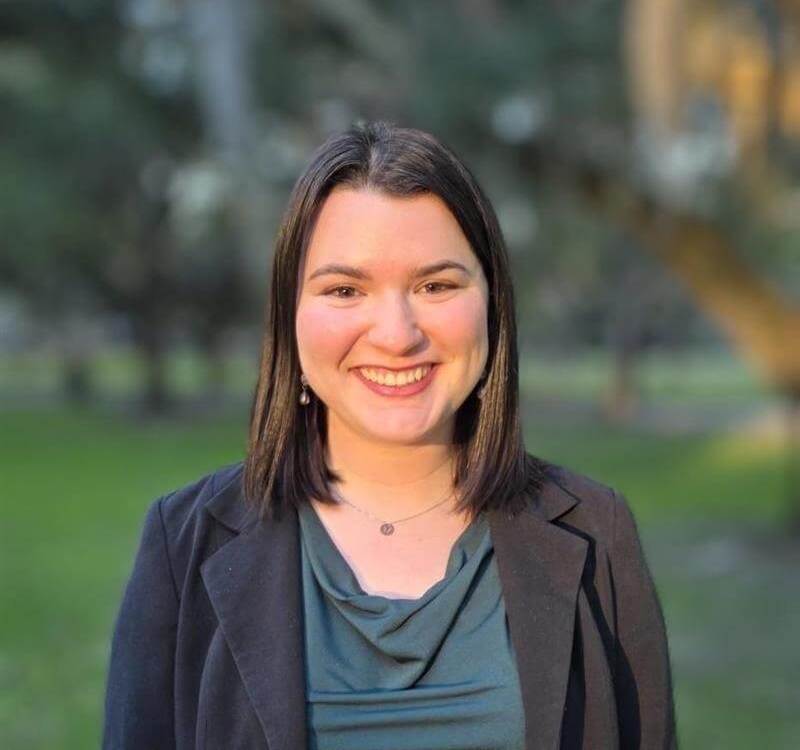
David has been working for the past 15 years carrying out research and deployments on technologies that have the potential to provide access to poorly connected regions or areas which lack affordable internet access. His work is in the general areas pertaining to wireless connectivity, Internet access architectures, and novel RF spectrum access techniques. The philosophy underpinning David’s work is developing decentralized network technology and policies and regulation that enable communities and individuals to own their own network infrastructure and services. David is based in Cape Town, South Africa.
David helped design and build Africa's first rural wireless mesh network in 2006 and led a number of connectivity projects in the area of small cell, mesh technology and edge-hosted services in Zambia and South Africa. He has also led policy work on broadband expansion and spectrum management for the South African government, including contributing to South Africa’s finalized TV white space regulation, and modeling future high demand spectrum for a new National Wireless Open Access Network. He is currently working on expansion of white space technology to small cell networks, exploring blockchain mesh networks to incentivize network expansion and building localized cloud technology to encourage local content creation and sharing and improved video streaming performance. These concepts are being trialed in iNethi, a project running in a low-income township at the southern tip of Cape Town that has built a fully community-owned network.
David serves as an adjunct senior lecturer in the Computer Science Department at UCT in the ICT4D lab and a senior research associate at Research ICT Africa. He was previously a principal researcher in the Networks and Media group of the CSIR Meraka Institute in South Africa and an IT Policy fellow at the Centre for Information and Technology at Princeton University. He has published 70 articles in the general area of wireless connectivity and ICT for development and a book on TV White space technology.
David earned a B.Eng in Electronic Engineering from University of Cape Town. He completed his M.Eng in Computer Engineering at University of Pretoria and a M.Sc and Ph.D in Computer Science from University of California, Santa Barbara on Internet architectures for rural developing regions.
Jess Monago received his first taste in international development by spending a month on the ground in Dharavi, India conducting field research for Facebook on global connectivity. This project worked to co-create a business model by combining a top-down approach crafted state-side, with a bottoms-up approach performed in-field to quantify the social and financial impact of an affordable, high speed internet technology on the population it intended to serve. On this project he was able to see firsthand the impact that universal access can have as a democratizing platform for populations that need it the most. His diverse background ranging from finance, sales, coaching, operations and project management allows him to oversee projects from many different angles while creating mutual value for all stakeholders involved.
Elena works as a Policy Analyst at Vernonburg Group, where she translates complex policies into clear, actionable insights to advance digital opportunity. At the firm, Elena contributes legislative and regulatory analysis, data compilation and presentation, and detail-oriented quality assurance. Prior to joining Vernonburg Group, her internship experiences in legislative affairs and community support at Greater Boston Legal Services and the Massachusetts Office for Victim Assistance informed her steadfast belief in the importance of accessible broadband to connect people to critical resources. Elena’s volunteer experiences as a history teaching assistant in medium-security prisons and as a mental health hotline operator shaped her approach to fostering trust with the communities that Vernonburg Group serves.
Elena recently graduated summa cum laude from Tufts University with a Bachelor of Arts in political science.
Paul Garnett is an accomplished leader with over two decades of experience in telecommunications and technology law and policy, market development, business development, strategic alliances, and technology and business model incubation.
Paul has a proven track record developing creative, high return-on-investment approaches to large and complex challenges. He worked for seventeen years “inside the beltway” for a top management consulting firm, law firm, communications regulator, and trade association, and eleven years “outside the beltway” for one of the biggest technology companies in the world. Paul also conceived of, launched, and led Microsoft’s Airband Initiative, leveraging a partner-driven approach to extending broadband access to unserved communities in the U.S. and globally. Paul was also the founder and Chairman of the Dynamic Spectrum Alliance. Paul has extensive global business and government relations experience on five continents and has contributed to over twenty U.S. patents.
Prior to founding the Vernonburg Group, Paul was the Senior Director of Microsoft’s Airband Initiative. The Airband Initiative’s portfolio encompassed over 100 projects in 20 countries across 5 continents, where Paul and his team worked with internet service providers, energy access providers, and other partners to deploy new last-mile access technologies, cloud-based services, and business models that extended broadband internet access for tens of millions of people. Paul and his team also focused on key enabling verticals such as agriculture, education, healthcare, and small business.
Throughout his career, Paul has consistently been drawn to the challenge of universal access. As Assistant Vice President, Regulatory Affairs, at CTIA-The Wireless Association®, he represented the U.S. wireless industry before the Federal Communications Commission (FCC) and the U.S. Congress. Paul also worked at the FCC in its Wireline Competition Bureau leading complex rule makings on universal service and intercarrier compensation regulations. Paul was an Associate in Swidler Berlin’s telecommunications practice and a Consultant at Price Waterhouse advising on the privatization of state-owned telecommunications and utility monopolies.
Paul Garnett earned his bachelor's degree in political science at Union College and his law degree at the Catholic University of America, Columbus School of Law. Paul is a member of the Bar of the District of Columbia.
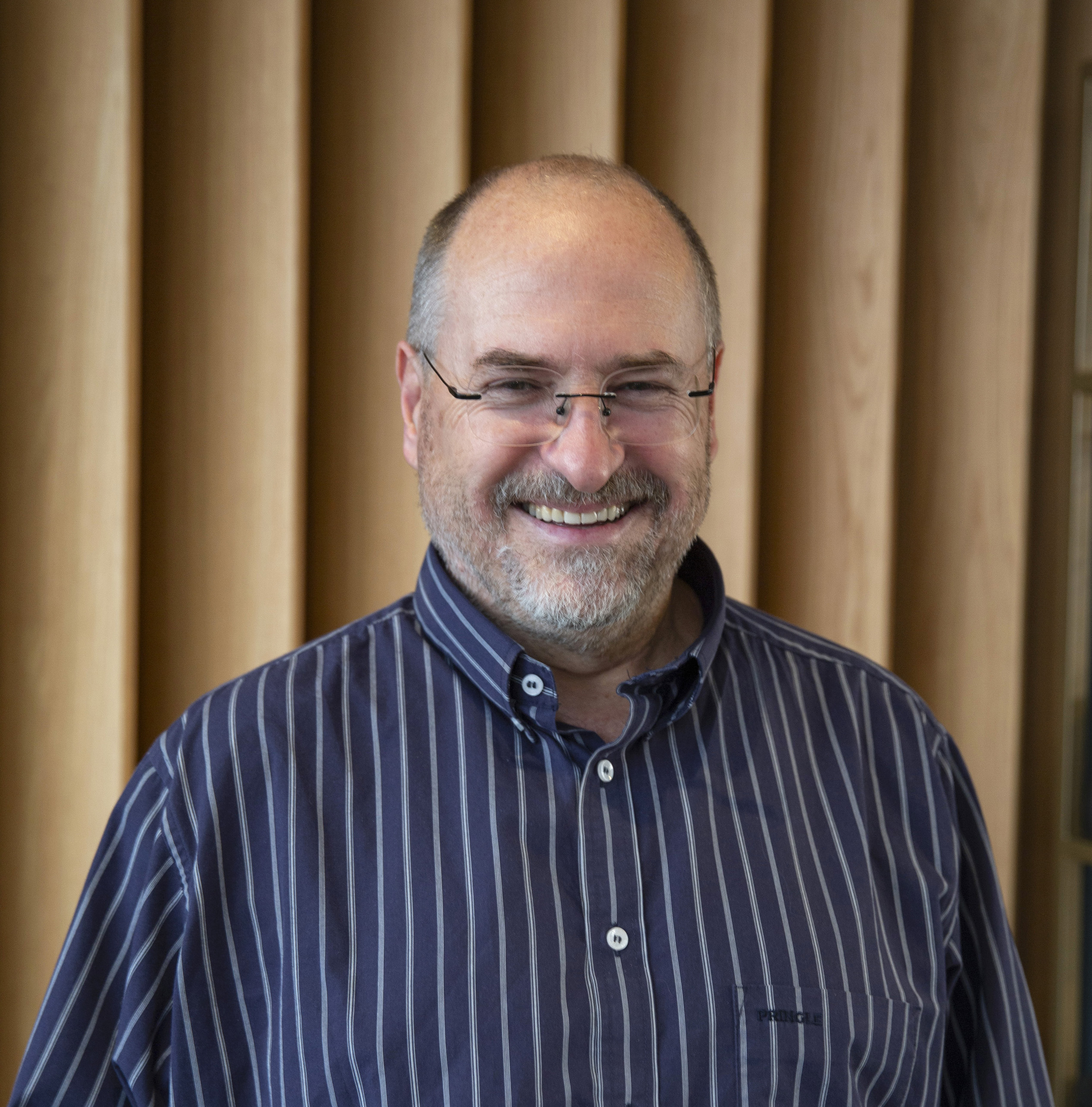
He has two decades of experience across all flavors of broadband technologies and ecosystems, including 4G, 5G and Wi-Fi, as well as experience in designing, and operating fixed and mobile networks all over the world. He has worked on over fifty different network deployments around the world across all phases and scale.
Umair has Co-founded or led multiple startups in the wireless and mobile industry, including companies like WiFrost, a 5G for rural broadband company pioneering the first commercial 4G/5G based TV whitespace fixed wireless access solution. He is also a Co-Founder of Superhero Mobile, a travel eSIM brand with a mission to empower travellers with reliable and affordable connectivity globally.
Umair has held various product, technical sales, and engineering roles at Adaptrum, LCC International, McAfee, Turnotech and Sprint. Umair received his bachelor’s in engineering from Oral Roberts University in Tulsa, Oklahoma where he won NCAA Division 1 conference title in tennis, and an MBA is marketing and finance from the Kelley School of Business at Indiana University, Bloomington, Indiana.
Umair is based in San Francisco, California.
Greg has helped clients plan for and obtain access to federal resources to ensure they can serve their communities. He worked for 14 years in key roles for the primary regulator for telecommunications and spectrum access, the Federal Communications Commission. He has also spent almost a decade in private practice helping clients, including rural and tribal telecommunications companies, technology companies and online/app companies as they pursued changes to federal law and policies to help them unlock business opportunities. His work for tribal communities included helping gain participation in pilot programs to promote enrollment by lower-income tribal members through a tailored digital literacy and affordability program, build out broadband to the most remote portions of their reservations, and secure access to wireless spectrum to serve their community.
His most recent work for a leading non-profit organization included advocating and securing once-in-a-generation funding for the build out of broadband infrastructure as well as working with a broad range of companies and civil society groups to secure funding for affordability and digital equity efforts under the Infrastructure Investments and Jobs Act.
The dominant pursuit of Greg’s career has been closing the digital divide. He firmly believes that in a digital society, no one can be left without access to affordable broadband and the skills needed to secure the economic and educational benefits that access provides. Through his work for the Federal Communications Commission (FCC), clients at Akin Gump and McGuire Woods, and his work advocating for the public interest at Public Knowledge, Greg has worked strategically through the regulatory and legislative process to achieve real, tangible results in that pursuit.
Greg Guice earned his bachelor's degree in political science at The University of North Carolina at Chapel Hill and his law degree at the George Mason School of Law. Greg is a member of the Bar of Virginia and the District of Columbia.
He has two decades of experience across all flavors of broadband technologies and ecosystems, including 4G, 5G and Wi-Fi, as well as experience in designing, and operating fixed and mobile networks all over the world. He has worked on over fifty different network deployments around the world across all phases and scale.
Umair has Co-founded or led multiple startups in the wireless and mobile industry, including companies like WiFrost, a 5G for rural broadband company pioneering the first commercial 4G/5G based TV whitespace fixed wireless access solution. He is also a Co-Founder of Superhero Mobile, a travel eSIM brand with a mission to empower travellers with reliable and affordable connectivity globally.
Umair has held various product, technical sales, and engineering roles at Adaptrum, LCC International, McAfee, Turnotech and Sprint. Umair received his bachelor’s in engineering from Oral Roberts University in Tulsa, Oklahoma where he won NCAA Division 1 conference title in tennis, and an MBA is marketing and finance from the Kelley School of Business at Indiana University, Bloomington, Indiana.
Umair is based in San Francisco, California.
Alex serves as Senior Public Policy Manager at Vernonburg Group. Alex has over seven years of professional experience, including five years advocating specifically on technology and telecommunications policy issues. While at the Glen Echo Group, Alex developed robust public affairs experience specifically on tech and telecom issues, which included organizing successful local and larger-scale (500+ attendee) events, media relations management, and advocacy campaign strategy development. Alex also served as a manager of an industry-leading coalition (made up of over 30 companies, trade associations, and public interest groups) which advocates specifically on the digital divide. Alex also spent time at Comcast NBCUniversal, where he was on the Global Public Policy team, assisting in the development of advocacy materials and fostering mutually beneficial relationships with other key players in the telecommunications policy ecosystem. Most recently, Alex spent two years in federal government service, working on emerging technology policy and risk management at the Federal Housing Finance Agency.
Alex holds a Bachelor of Arts from George Washington University, and a Master’s of Public Policy from the University of Chicago.
Mark serves as a strategic advisor with Vernonburg Group, bringing his expertise in broadband deployment, financing, business planning, and project management to benefit Vernonburg Group’s domestic and international clients. Mark has over 20 years of experience working at organizations like Adaptrum, the Dynamic Spectrum Alliance, Microsoft and in consulting engagements with operators, investors, companies, regulators and multinationals across Africa and globally. Mark has been responsible for commercial business functions such as business planning, operations and applying market insights in the IT and Telecommunications industries. Mark also has experience in business performance management, managing large operating budgets, business consulting, management consulting, IT and technology management and strategy. He has also co-founded several startups in the IT and connectivity space. Mark holds a Post Graduate Diploma in Business Administration from University of Pretoria, and BSc Computer Science and Mathematics from University of Stellenbosch. He is based in Johannesburg, South Africa.
Paul Garnett is an accomplished leader with over two decades of experience in telecommunications and technology law and policy, market development, business development, strategic alliances, and technology and business model incubation.
Paul has a proven track record developing creative, high return-on-investment approaches to large and complex challenges. He worked for seventeen years “inside the beltway” for a top management consulting firm, law firm, communications regulator, and trade association, and eleven years “outside the beltway” for one of the biggest technology companies in the world. Paul also conceived of, launched, and led Microsoft’s Airband Initiative, leveraging a partner-driven approach to extending broadband access to unserved communities in the U.S. and globally. Paul was also the founder and Chairman of the Dynamic Spectrum Alliance. Paul has extensive global business and government relations experience on five continents and has contributed to over twenty U.S. patents.
Prior to founding the Vernonburg Group, Paul was the Senior Director of Microsoft’s Airband Initiative. The Airband Initiative’s portfolio encompassed over 100 projects in 20 countries across 5 continents, where Paul and his team worked with internet service providers, energy access providers, and other partners to deploy new last-mile access technologies, cloud-based services, and business models that extended broadband internet access for tens of millions of people. Paul and his team also focused on key enabling verticals such as agriculture, education, healthcare, and small business.
Throughout his career, Paul has consistently been drawn to the challenge of universal access. As Assistant Vice President, Regulatory Affairs, at CTIA-The Wireless Association®, he represented the U.S. wireless industry before the Federal Communications Commission (FCC) and the U.S. Congress. Paul also worked at the FCC in its Wireline Competition Bureau leading complex rule makings on universal service and intercarrier compensation regulations. Paul was an Associate in Swidler Berlin’s telecommunications practice and a Consultant at Price Waterhouse advising on the privatization of state-owned telecommunications and utility monopolies.
Paul Garnett earned his bachelor's degree in political science at Union College and his law degree at the Catholic University of America, Columbus School of Law. Paul is a member of the Bar of the District of Columbia.
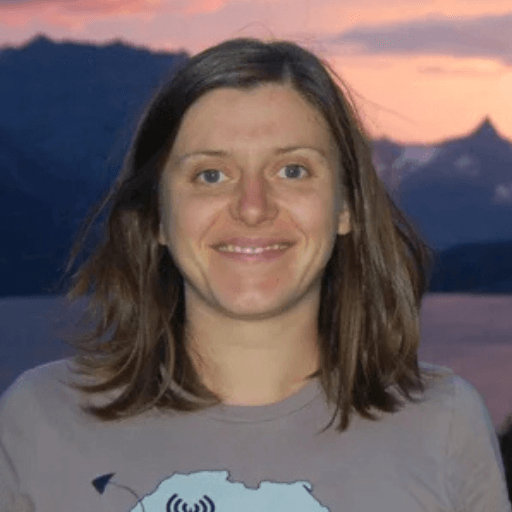
Breese is the Director of Global Programs and Digital Opportunity, leading Vernonburg Group’s services focused on broadband and digital opportunity program design and execution in the United States and internationally. She leads our client services related to environmental, social, and governance (ESG) strategies, policy analysis, grant management, and program management. Breese brings 15+ years of experience in designing and implementing global strategies and programs at the nexus of technology and social impact to tackle intractable problems of poverty and inequity. Prior to joining Vernonburg Group, Breese worked for Microsoft’s strategic initiative on digital opportunity (Airband Initiative), managing a portfolio of grants to organizations focused on advancing access to affordable internet and computers across the US. She also previously led partnerships and strategic planning at the Digital Impact Alliance at the United Nations Foundation, managed global digital health programs at PATH, and served as a trustee and treasurer of the Longview Foundation for US education in world affairs and international understanding. She has worked on initiatives across the US, Sub-Saharan Africa, Latin America, India, and the Middle East, and is proficient in Spanish. Breese holds an MPA from the University of Washington Evans School of Public Policy & Governance, and a BA in International Relations from Tufts University.
Caroline has over a decade of experience collaborating with mission-driven organizations to help them achieve their goals. Her expertise lies at the intersection of business strategy with social and environmental impact, and her work across a diverse range of sectors and functional areas gives her an interdisciplinary perspective on problem solving. Previously she has worked with both public and private sector organizations on projects in impact investing, sustainable development, public health, regenerative agriculture, and climate tech.
Nora Heffernan serves as a Policy Analyst, drawing on knowledge gained during her undergraduate career studying International Affairs at George Washington University with a concentration in International Politics and minors in Spanish and Political Science. Nora spent an immersive study abroad semester in Madrid, Spain where she was able to practice her cross-cultural skills and conversational Spanish. She has a nuanced understanding of the domestic policy process from her time interning with Congressman John Larson's (CT-01) office. While acting as an Events Assistant, Nora promoted and ensured the smooth execution of events hosted by the Sigur Center of Asian Studies, which highlighted the work of experts in the field. Her policy interests include gender equity, human rights, and environmental protection.
Mariya Zheleva brings over 15 years of experience in computer communication technologies with specialization in wireless communications, emerging networks with dynamic spectrum access and networking for infrastructure-challenged areas. Currently, she is an assistant professor in Computer Science at the University at Albany — SUNY where she directs the Ubiquitous Networking Laboratory (The UbiNET Lab). Prior to this, Mariya completed her PhD in Computer Science at the University of California Santa Barbara where she concentrated on evaluating and bridging the rural digital divide by designing and deploying novel mobile wireless network solutions. Mariya also brings experience from the industry having worked at a national Internet Service Provider and a national Mobile Network Provider in her home country, Bulgaria.
Mariya’s research quantifies and addresses the inequalities created by the digital divide across various application domains from emergency preparedness and response to agriculture and education and across different regions from rural Africa to rural U.S. She has extensive experience working on the ground with diverse communities to understand their communication needs and evaluate the performance of the networks that serve them. Her research findings have shed light on users’ experience as they interact with various networking technologies and have informed better design of networks that cater to limited infrastructure environments while harnessing identified usage patterns and communication needs. Mariya’s lab has developed and deployed distributed cellular networks and have focused on designing efficient wireless backhaul solutions for areas where wired connectivity is prohibitively expensive. Mariya’s work has been supported by highly prestigious programs from the National Science Foundation, including the NSF Smart and Connected Communities and the NSF CAREER programs. She is the recipient of the 2019 Dynamic Spectrum Alliance award for University Research on New Opportunities for Dynamic Spectrum Access and the University at Albany Presidential Award for Outstanding Public Engagement.
Mariya Zheleva earned her B.Eng. and M.Eng. degrees in Radio Communications Engineering from the Technical University of Sofia, Bulgaria. She holds an M.S. and a Ph.D. degree in Computer Science from University of California Santa Barbara
Paul Garnett is an accomplished leader with over two decades of experience in telecommunications and technology law and policy, market development, business development, strategic alliances, and technology and business model incubation.
Paul has a proven track record developing creative, high return-on-investment approaches to large and complex challenges. He worked for seventeen years “inside the beltway” for a top management consulting firm, law firm, communications regulator, and trade association, and eleven years “outside the beltway” for one of the biggest technology companies in the world. Paul also conceived of, launched, and led Microsoft’s Airband Initiative, leveraging a partner-driven approach to extending broadband access to unserved communities in the U.S. and globally. Paul was also the founder and Chairman of the Dynamic Spectrum Alliance. Paul has extensive global business and government relations experience on five continents and has contributed to over twenty U.S. patents.
Prior to founding the Vernonburg Group, Paul was the Senior Director of Microsoft’s Airband Initiative. The Airband Initiative’s portfolio encompassed over 100 projects in 20 countries across 5 continents, where Paul and his team worked with internet service providers, energy access providers, and other partners to deploy new last-mile access technologies, cloud-based services, and business models that extended broadband internet access for tens of millions of people. Paul and his team also focused on key enabling verticals such as agriculture, education, healthcare, and small business.
Throughout his career, Paul has consistently been drawn to the challenge of universal access. As Assistant Vice President, Regulatory Affairs, at CTIA-The Wireless Association®, he represented the U.S. wireless industry before the Federal Communications Commission (FCC) and the U.S. Congress. Paul also worked at the FCC in its Wireline Competition Bureau leading complex rule makings on universal service and intercarrier compensation regulations. Paul was an Associate in Swidler Berlin’s telecommunications practice and a Consultant at Price Waterhouse advising on the privatization of state-owned telecommunications and utility monopolies.
Paul Garnett earned his bachelor's degree in political science at Union College and his law degree at the Catholic University of America, Columbus School of Law. Paul is a member of the Bar of the District of Columbia.
Paul Garnett is an accomplished leader with over two decades of experience in telecommunications and technology law and policy, market development, business development, strategic alliances, and technology and business model incubation.
Paul has a proven track record developing creative, high return-on-investment approaches to large and complex challenges. He worked for seventeen years “inside the beltway” for a top management consulting firm, law firm, communications regulator, and trade association, and eleven years “outside the beltway” for one of the biggest technology companies in the world. Paul also conceived of, launched, and led Microsoft’s Airband Initiative, leveraging a partner-driven approach to extending broadband access to unserved communities in the U.S. and globally. Paul was also the founder and Chairman of the Dynamic Spectrum Alliance. Paul has extensive global business and government relations experience on five continents and has contributed to over twenty U.S. patents.
Prior to founding the Vernonburg Group, Paul was the Senior Director of Microsoft’s Airband Initiative. The Airband Initiative’s portfolio encompassed over 100 projects in 20 countries across 5 continents, where Paul and his team worked with internet service providers, energy access providers, and other partners to deploy new last-mile access technologies, cloud-based services, and business models that extended broadband internet access for tens of millions of people. Paul and his team also focused on key enabling verticals such as agriculture, education, healthcare, and small business.
Throughout his career, Paul has consistently been drawn to the challenge of universal access. As Assistant Vice President, Regulatory Affairs, at CTIA-The Wireless Association®, he represented the U.S. wireless industry before the Federal Communications Commission (FCC) and the U.S. Congress. Paul also worked at the FCC in its Wireline Competition Bureau leading complex rule makings on universal service and intercarrier compensation regulations. Paul was an Associate in Swidler Berlin’s telecommunications practice and a Consultant at Price Waterhouse advising on the privatization of state-owned telecommunications and utility monopolies.
Paul Garnett earned his bachelor's degree in political science at Union College and his law degree at the Catholic University of America, Columbus School of Law. Paul is a member of the Bar of the District of Columbia.
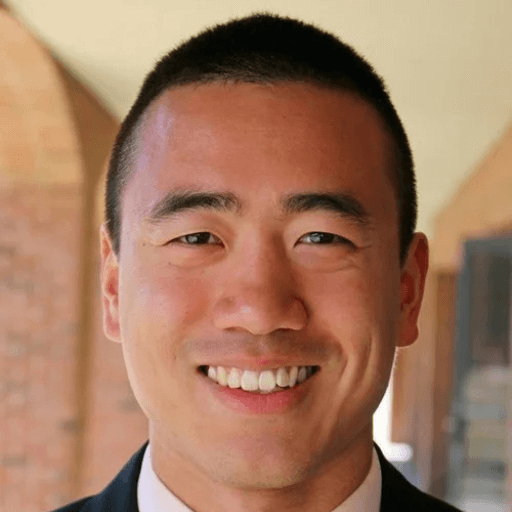
David has been working for the past 15 years carrying out research and deployments on technologies that have the potential to provide access to poorly connected regions or areas which lack affordable internet access. His work is in the general areas pertaining to wireless connectivity, Internet access architectures, and novel RF spectrum access techniques. The philosophy underpinning David’s work is developing decentralized network technology and policies and regulation that enable communities and individuals to own their own network infrastructure and services. David is based in Cape Town, South Africa.
David helped design and build Africa's first rural wireless mesh network in 2006 and led a number of connectivity projects in the area of small cell, mesh technology and edge-hosted services in Zambia and South Africa. He has also led policy work on broadband expansion and spectrum management for the South African government, including contributing to South Africa’s finalized TV white space regulation, and modeling future high demand spectrum for a new National Wireless Open Access Network. He is currently working on expansion of white space technology to small cell networks, exploring blockchain mesh networks to incentivize network expansion and building localized cloud technology to encourage local content creation and sharing and improved video streaming performance. These concepts are being trialed in iNethi, a project running in a low-income township at the southern tip of Cape Town that has built a fully community-owned network.
David serves as an adjunct senior lecturer in the Computer Science Department at UCT in the ICT4D lab and a senior research associate at Research ICT Africa. He was previously a principal researcher in the Networks and Media group of the CSIR Meraka Institute in South Africa and an IT Policy fellow at the Centre for Information and Technology at Princeton University. He has published 70 articles in the general area of wireless connectivity and ICT for development and a book on TV White space technology.
David earned a B.Eng in Electronic Engineering from University of Cape Town. He completed his M.Eng in Computer Engineering at University of Pretoria and a M.Sc and Ph.D in Computer Science from University of California, Santa Barbara on Internet architectures for rural developing regions.
Jess Monago received his first taste in international development by spending a month on the ground in Dharavi, India conducting field research for Facebook on global connectivity. This project worked to co-create a business model by combining a top-down approach crafted state-side, with a bottoms-up approach performed in-field to quantify the social and financial impact of an affordable, high speed internet technology on the population it intended to serve. On this project he was able to see firsthand the impact that universal access can have as a democratizing platform for populations that need it the most. His diverse background ranging from finance, sales, coaching, operations and project management allows him to oversee projects from many different angles while creating mutual value for all stakeholders involved.
Elena is proud to work as a Policy Analyst at Vernonburg Group. Her internship experiences in legislative affairs and community support at Greater Boston Legal Services and the Massachusetts Office for Victim Assistance informed her steadfast belief in the importance of affordable broadband to connect people to critical resources. While at Tufts, she volunteered for the university's mental health hotline and as a history teaching assistant in a medium-security prison, and strengthened her Spanish skills during an immersive semester in Madrid, Spain. Elena’s work is driven by her passion for empowering individuals and communities through access to tools that expand opportunity.
Elena recently graduated summa cum laude from Tufts University with a B.A. in Political Science.
With a passion for bringing data to life, Kyle brings over 8 years of experience in data analytics, engineering, and visualization. From source systems to visualization and reporting, Kyle has utilized various tools including Extract, Transform, Load (ETL) applications, cloud data warehousing and many visualization platforms including Tableau, Looker and PowerBI.
Kyle received his Masters in Business Administration, specializing in Sustainable Innovation, from the Grossman School of Business at the University of Vermont. During his time here, he gained international development experience through consulting for a company focused on bringing clean water to local communities in Ghana.
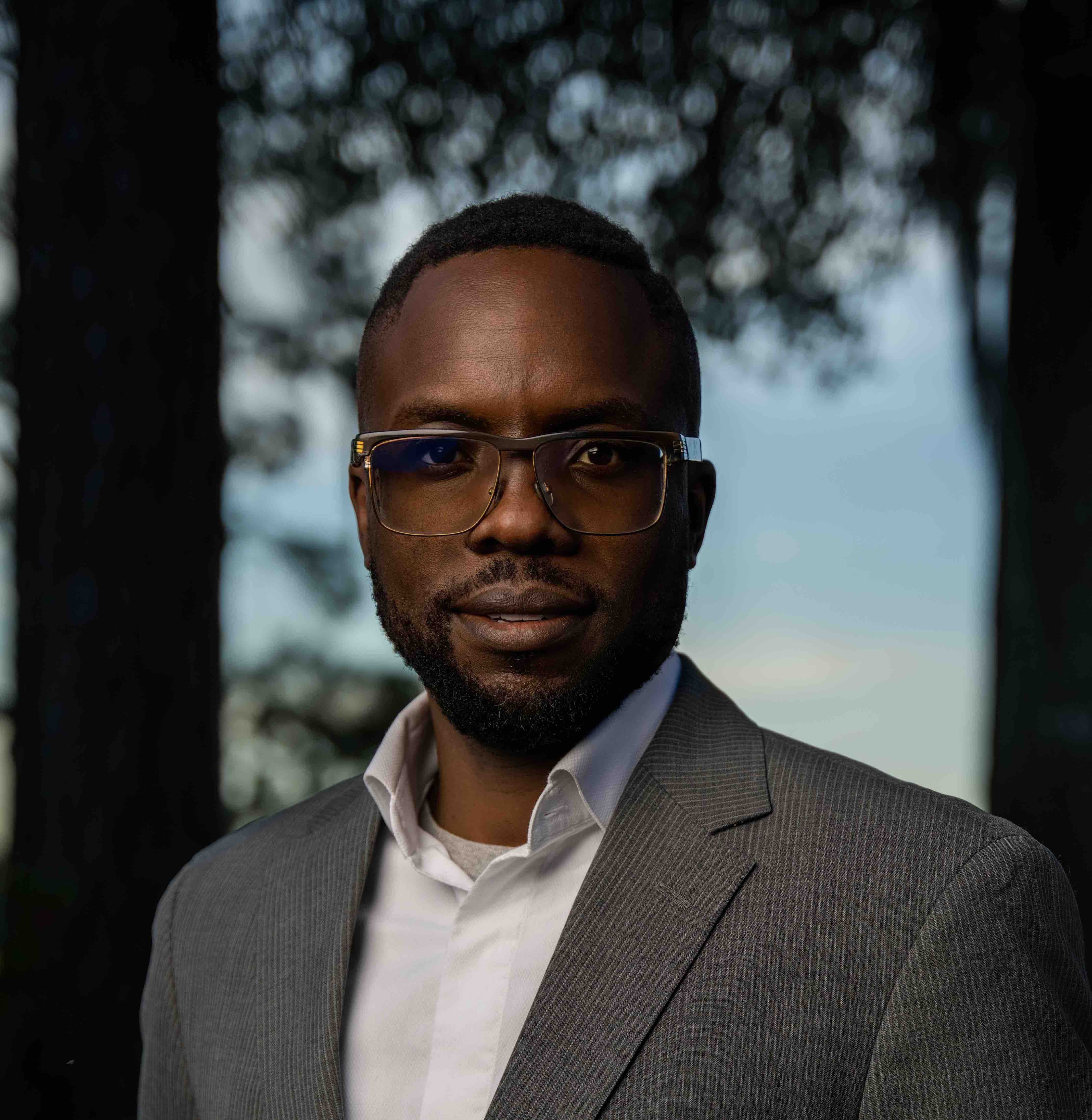
Greg has helped clients plan for and obtain access to federal resources to ensure they can serve their communities. He worked for 14 years in key roles for the primary regulator for telecommunications and spectrum access, the Federal Communications Commission. He has also spent almost a decade in private practice helping clients, including rural and tribal telecommunications companies, technology companies and online/app companies as they pursued changes to federal law and policies to help them unlock business opportunities. His work for tribal communities included helping gain participation in pilot programs to promote enrollment by lower-income tribal members through a tailored digital literacy and affordability program, build out broadband to the most remote portions of their reservations, and secure access to wireless spectrum to serve their community.
His most recent work for a leading non-profit organization included advocating and securing once-in-a-generation funding for the build out of broadband infrastructure as well as working with a broad range of companies and civil society groups to secure funding for affordability and digital equity efforts under the Infrastructure Investments and Jobs Act.
The dominant pursuit of Greg’s career has been closing the digital divide. He firmly believes that in a digital society, no one can be left without access to affordable broadband and the skills needed to secure the economic and educational benefits that access provides. Through his work for the Federal Communications Commission (FCC), clients at Akin Gump and McGuire Woods, and his work advocating for the public interest at Public Knowledge, Greg has worked strategically through the regulatory and legislative process to achieve real, tangible results in that pursuit.
Greg Guice earned his bachelor's degree in political science at The University of North Carolina at Chapel Hill and his law degree at the George Mason School of Law. Greg is a member of the Bar of Virginia and the District of Columbia.
He has two decades of experience across all flavors of broadband technologies and ecosystems, including 4G, 5G and Wi-Fi, as well as experience in designing, and operating fixed and mobile networks all over the world. He has worked on over fifty different network deployments around the world across all phases and scale.
Umair has Co-founded or led multiple startups in the wireless and mobile industry, including companies like WiFrost, a 5G for rural broadband company pioneering the first commercial 4G/5G based TV whitespace fixed wireless access solution. He is also a Co-Founder of Superhero Mobile, a travel eSIM brand with a mission to empower travellers with reliable and affordable connectivity globally.
Umair has held various product, technical sales, and engineering roles at Adaptrum, LCC International, McAfee, Turnotech and Sprint. Umair received his bachelor’s in engineering from Oral Roberts University in Tulsa, Oklahoma where he won NCAA Division 1 conference title in tennis, and an MBA is marketing and finance from the Kelley School of Business at Indiana University, Bloomington, Indiana.
Umair is based in San Francisco, California.
Alex serves as Senior Public Policy Manager at Vernonburg Group. Alex has over seven years of professional experience, including five years advocating specifically on technology and telecommunications policy issues. While at the Glen Echo Group, Alex developed robust public affairs experience specifically on tech and telecom issues, which included organizing successful local and larger-scale (500+ attendee) events, media relations management, and advocacy campaign strategy development. Alex also served as a manager of an industry-leading coalition (made up of over 30 companies, trade associations, and public interest groups) which advocates specifically on the digital divide. Alex also spent time at Comcast NBCUniversal, where he was on the Global Public Policy team, assisting in the development of advocacy materials and fostering mutually beneficial relationships with other key players in the telecommunications policy ecosystem. Most recently, Alex spent two years in federal government service, working on emerging technology policy and risk management at the Federal Housing Finance Agency.
Alex holds a Bachelor of Arts from George Washington University, and a Master’s of Public Policy from the University of Chicago.
Access to relevant and affordable services over high speed internet is the key equalizer for the emerging world… Enabling innovative and affordable technology solutions that reach this goal is what inspires me.
Working with fantastic teams at Adaptrum, the Dynamic Spectrum Alliance, Microsoft and in consulting engagements with operators, investors, companies, regulators and multinationals across Africa and globally, we deliver to the commercial goals of organizations while making an impact on society. This involves developing new business and financing models, conducting market assessments, and building technology solutions as well as partnering on innovation initiatives for scale. In projects across countries in Africa for example, I seek out African innovation to help shape Africa’s future on projects that combine enabling regulations, strong commercial management, and taking advantage of interesting value chain opportunities such as smart manufacturing. TVWS (TV Whitespace) in particular has been an area that holds tremendous potential for the unreached in Africa, has privileged me over the last 5 years to make a humble contribution to bringing affordable connectivity to rural areas.
Mark holds a Post Graduate Diploma in Business Administration from University of Pretoria, and BSc Computer Science and Mathematics fom University of Stellenbosch.
Namema serves as a Consulting Attorney at Vernonburg Group, where he supports clients with deep expertise in communications law, as well as extensive experience in regulatory compliance and government affairs focused specifically on telecommunications issues. Namema has 10 years of experience working at the intersection of policy and connectivity, and has previously experience working to advocate on these issues at both Meta and Microsoft. Namema holds a Bachelors of Science in Biology and a JD, both from Columbia University, where he was an Editor of the Columbia Science and Technology Law Review. Namema is based in Colombia.